

Sound Trade Marks vs. Copyright: Key Differences Explained
- IP & Trademarks
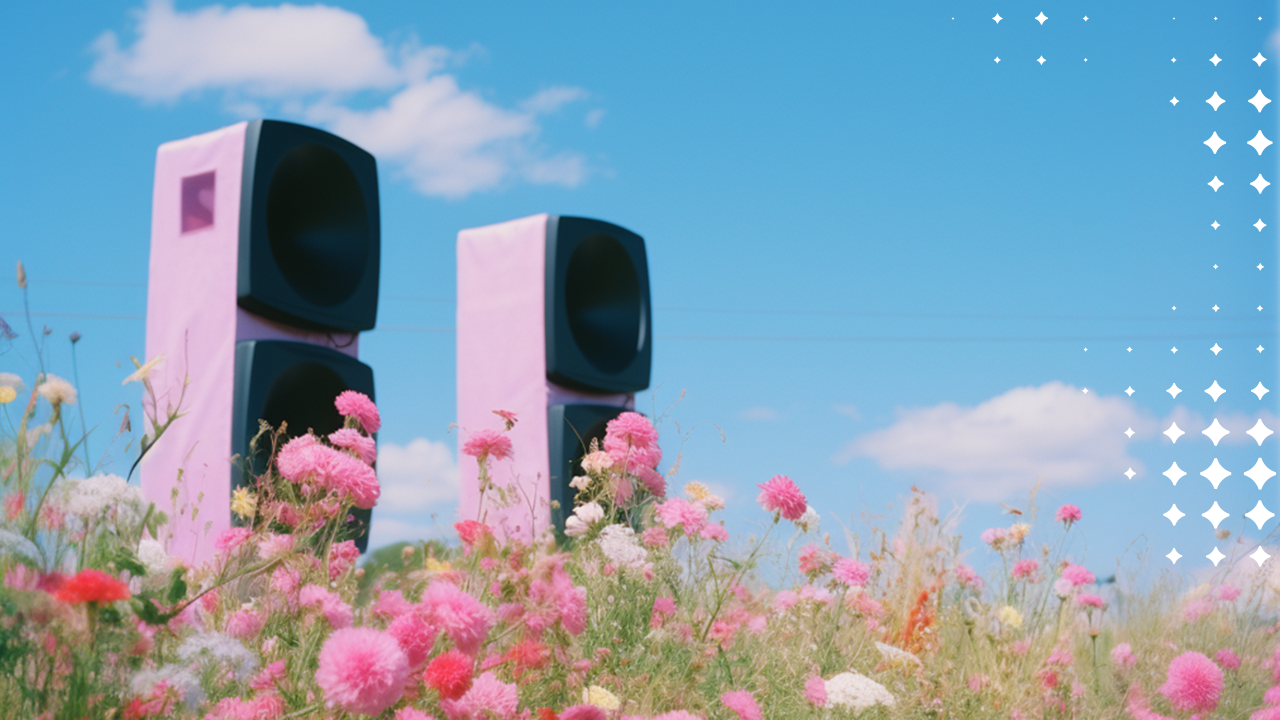
Sound trade marks and copyright both protect audio, but in different ways. Netflix’s “ta-dum” is not just a sound—it's a trade mark that establish the brand identity. But how do trade marks differ from copyright?
What Does Sound Trade Marks Protect
A sound trade mark protects distinctive sounds that identify and differentiate a brand's products or services from competitors. For example, Netflix’s “ta-dum” or Intel’s chime immediately signal their brands to consumers. Trade marks can last indefinitely if actively maintained and used in commerce. They also offer greater flexibility for licensing, selling, and monetising, and are easier to enforce legally compared to copyright, which often requires proving exact duplication.
What Copyright Protects
Copyright safeguards original creative works, such as music compositions, sound recordings, and other artistic creations. Copyright is automatically granted upon creation and typically lasts for the creator’s lifetime plus 70 years. Its registration, by assigning it a specific date, is necessary for enforceability against third parties, thanks to the principle of the reversal of the burden of proof. Unlike trade marks, copyright focuses on securing the creator’s ownership rather than commercial branding potential.
The Key Difference
Trade marks focus on consumer recognition and must be actively used in commerce to remain valid. Copyright, however, protects works regardless of their commercial use, ensuring ownership even without branding intent.
Emerging Trends in Audio Branding
With the rise of voice-activated devices like Amazon Alexa and Google Assistant, audio branding is evolving. Brands are moving beyond traditional jingles to include unique voice commands, tones, and short musical phrases that reflect their identity.
Mobile apps, podcasts, and social media platforms like TikTok and Instagram have further heightened the need for a strong audio presence.
Customised audio environments in physical spaces, such as retail stores, are also gaining traction, creating engaging experiences that forge deeper emotional connections with consumers.
In today’s digital and physical landscapes, branded sounds have become essential for capturing attention and building a memorable, recognisable identity.

Protect Your Audio Identity with Abion
Whether you’re in gaming, entertainment, or any industry where sound plays a key role, we can help protect your sound trade marks and craft a distinctive audio identity.